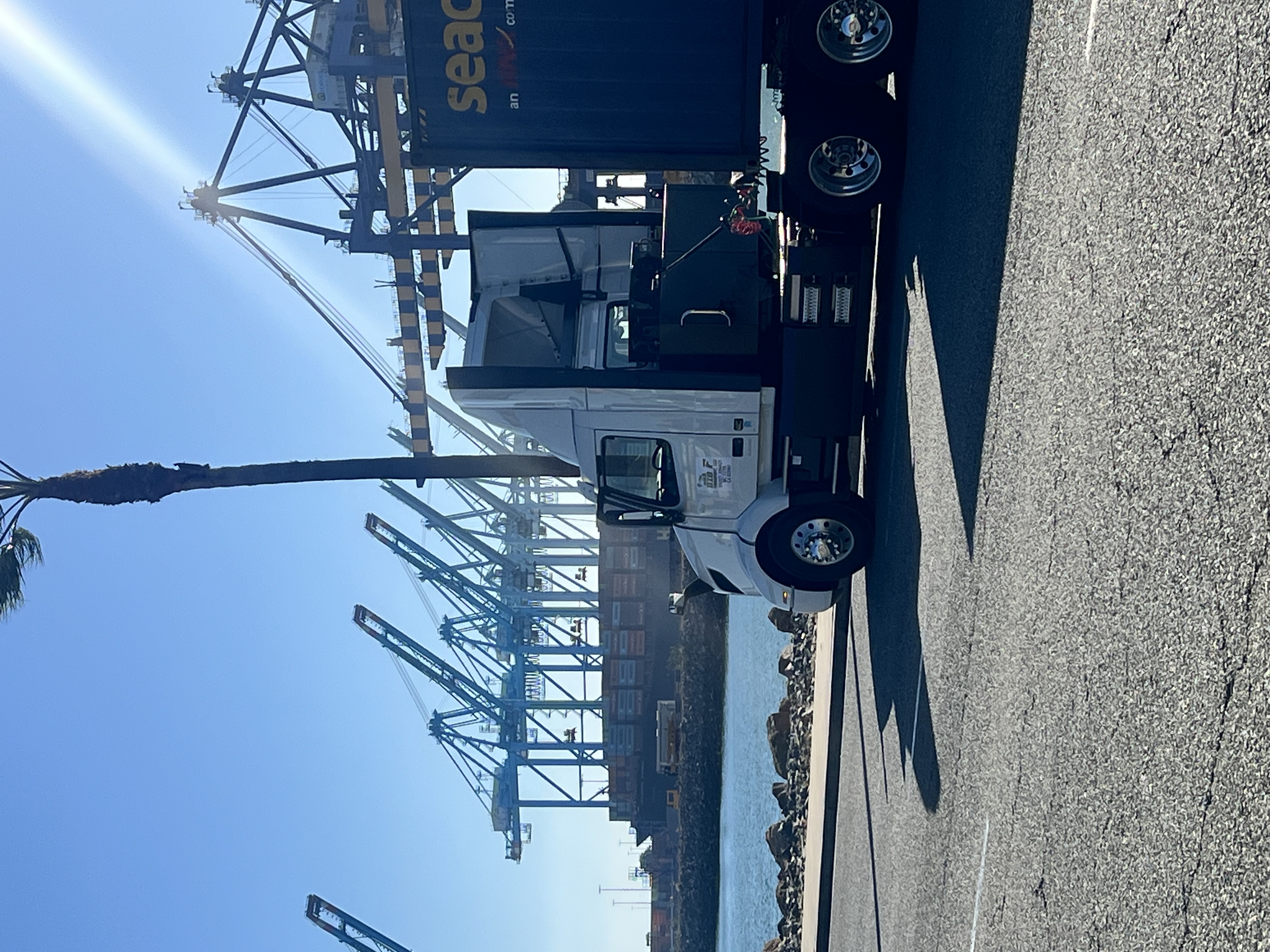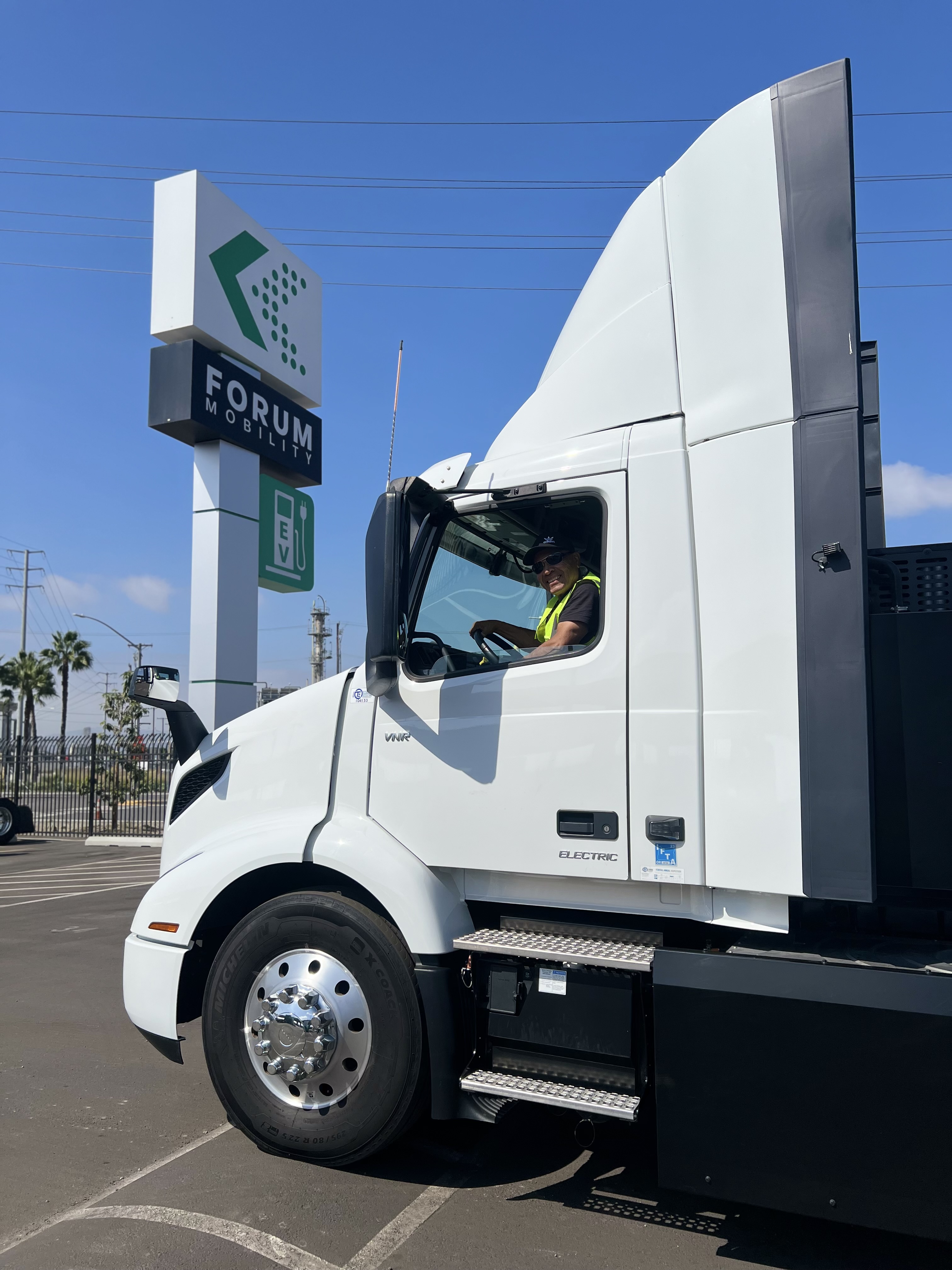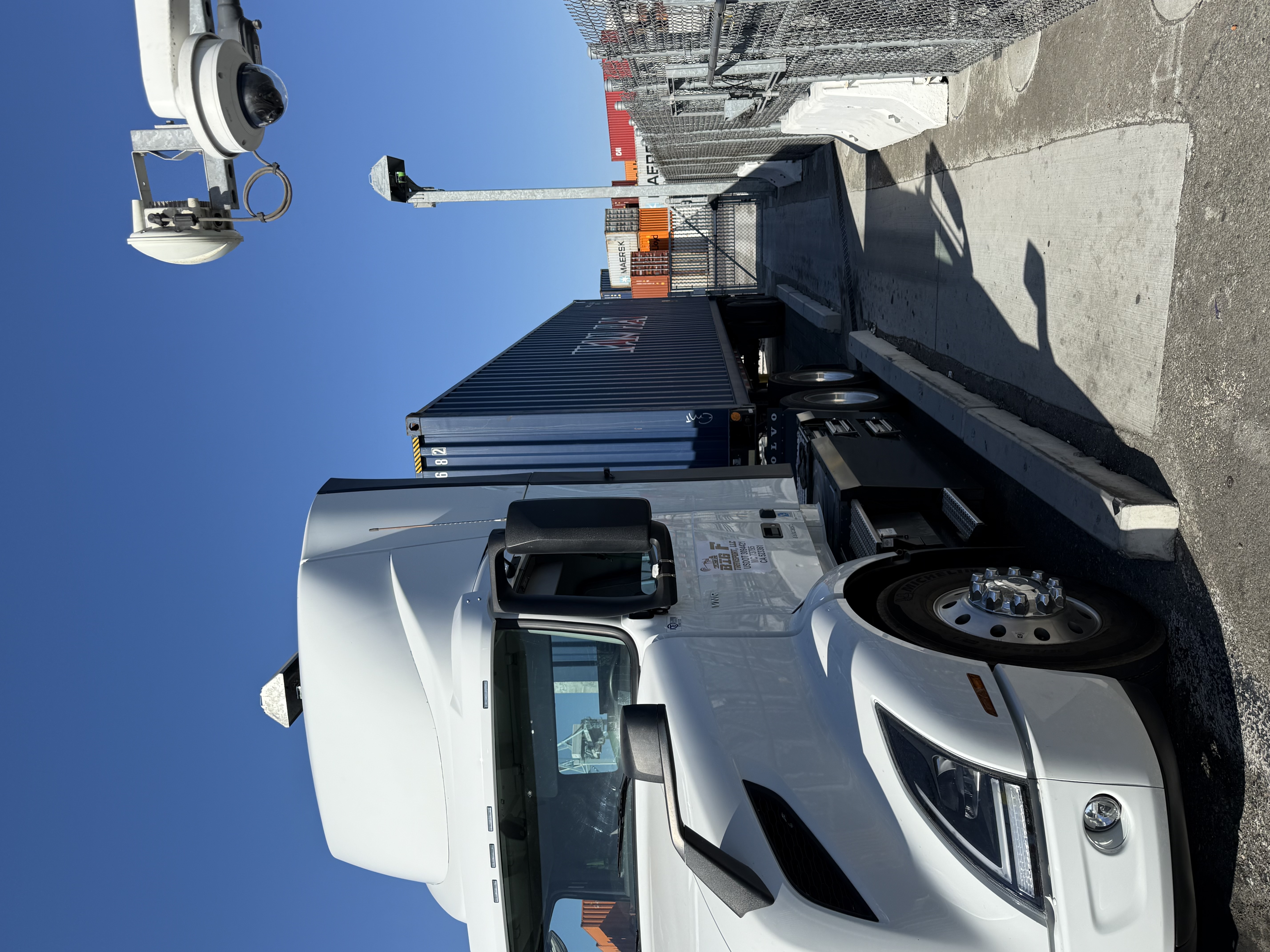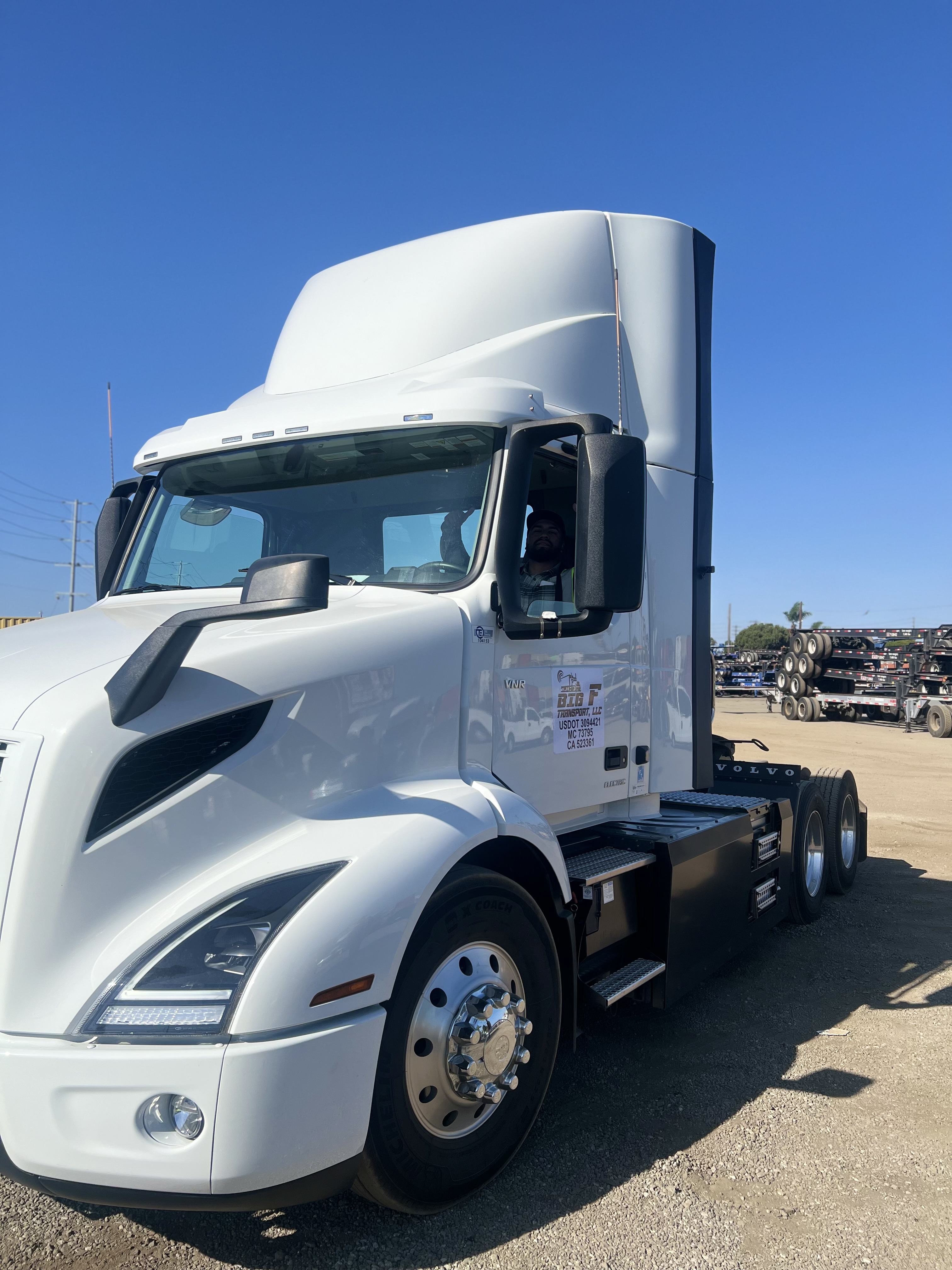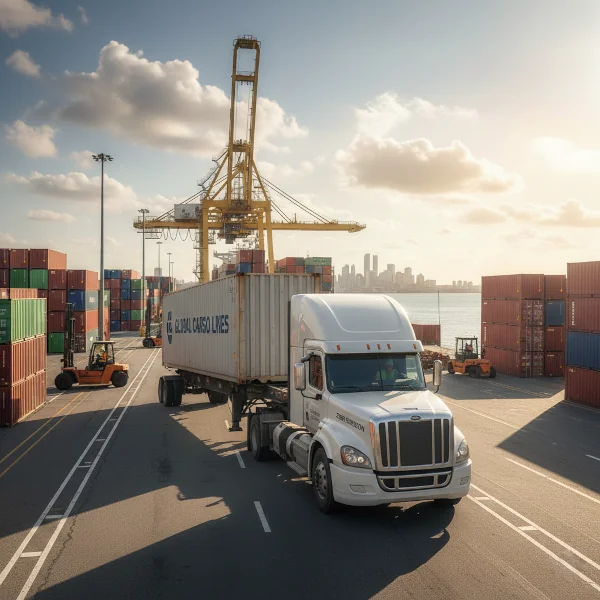
Drayage plays a critical role in the movement of goods between ports, rail yards, and distribution centers, especially for imports, exports, and intermodal freight. It serves as the essential short-distance transportation link that keeps global and domestic supply chains flowing smoothly. Without efficient drayage services, cargo can face delays, congestion, and increased costs at key transfer points.
For imports, drayage ensures containers are quickly and safely transported from seaports to warehouses, rail terminals, or final-mile carriers. Timely import drayage helps businesses avoid port storage fees and keeps inventory moving to meet demand. Reliable coordination with port authorities and terminals is essential to minimize dwell time and maintain predictable delivery schedules.
In the case of exports and intermodal shipping, drayage connects shippers to ports and rail networks, enabling seamless transitions between trucks, trains, and ships. Export drayage must be precisely timed to meet vessel cutoffs, while intermodal drayage focuses on efficiency and cost savings by leveraging rail for long-haul transport. Together, these services improve flexibility, reduce transportation expenses, and support scalable logistics operations.
Key benefits of drayage for imports, exports, and intermodal freight include:
-
Efficient transfer of containers between ports, rail yards, and distribution centers
-
Reduced congestion, delays, and demurrage or detention fees
-
Improved supply chain reliability through coordinated short-haul transportation